This evolution is not just about speculation; it’s about progress. Developers are building scalable ecosystems, institutions are providing liquidity, and communities are forming around open-source collaboration. Together, they are laying the groundwork for a financial system that prioritizes freedom, efficiency, and inclusion.
That’s where Crypto Intel plays a vital role. Through its coverage of market dynamics, emerging tokens, and technological milestones, it transforms information into insight. Readers gain context, clarity, and confidence in navigating one of the most complex yet rewarding sectors of the digital economy.


As innovation continues to accelerate, staying informed isn’t optional—it’s essential.
From BTC’s early days to the rise of ETH and the explosion of DeFi, innovation has accelerated beyond expectation. The global economy is adapting as businesses integrate blockchain into everyday operations. Start-ups are launching decentralized applications, governments are exploring digital currencies, and investors are seeking smarter, data-driven strategies.
At the center of this transformation stands Crypto Intel, a source committed to decoding the signals behind this digital revolution. The platform brings together technology, economics, and insight to explain how blockchain is redefining value exchange. Whether it’s analyzing new tokenomics or explaining cutting-edge protocols, every article bridges the gap between complexity and comprehension.
The revolution isn’t coming—it’s here. Those who understand it will lead the next generation of global finance.
The digital currency market experienced a significant rebound in late July 2025, following the U.S. Federal Reserve’s decision to pause interest rate changes at its July 29–30 meeting, maintaining the federal funds rate at 4.25%–4.50%.
As of August 3, 2025, BTC (BTC) is trading between $50,000 and $80,000, while ETH (ETH) targets $4,000–$6,000, reflecting renewed trader optimism.
This article explores the reasons behind the market’s recovery, the impact of the Fed’s rate pause, and strategies for investors navigating this dynamic landscape.
The Federal Reserve’s Rate Pause
At its July 29–30, 2025, meeting, the Federal Open Market Committee (FOMC) opted to hold interest rates steady, marking the fifth consecutive meeting without a change.
This decision followed a 25-basis-point cut in December 2024, bringing rates to their current range. Fed Chair Jerome Powell emphasized a cautious approach, citing persistent inflation (2.5% PCE in 2025) and economic uncertainties, including potential tariffs under President Donald Trump’s policies.
The Fed’s updated projections suggest only two rate cuts in 2025, down from earlier expectations of three to four, signaling a prolonged pause to monitor inflation and growth.
Why Rates Matter for Crypto
Interest rates influence liquidity and trader risk appetite:
-
High Rates: Increase borrowing costs and bond yields, drawing capital to safer assets and reducing demand for volatile cryptocurrencies.
-
Low Rates or Pauses: Encourage investment in riskier assets like crypto by lowering the appeal of fixed-income securities and easing liquidity constraints.
The rate pause signaled stable financial conditions, boosting confidence in risk assets like BTC, ETH, and altcoins. Posts on X noted BTC’s resilience, with prices stabilizing near $118,000 before dipping to $115,700 and rebounding, reflecting market sensitivity to Fed signals.
Why the Crypto Market Rebounded
The crypto market’s rally in late July 2025 was driven by several factors tied to the Fed’s decision:
-
Increased Liquidity: The pause, coupled with the Fed’s slower balance-sheet runoff (capped at $5 billion/month for Treasuries), signaled looser financial conditions, historically favorable for crypto. BTC surged 4% to $85,786 post-announcement, with ETH and Solana gaining 7% and 8%, respectively.
-
Risk-On Sentiment: Stable rates reduced pressure on borrowing costs, encouraging investors to allocate capital to cryptocurrencies. Crypto stocks like Coinbase (+7.8%) and Marathon Digital (+12.6%) also spiked, reflecting broader market enthusiasm.
-
Institutional Interest: BTC ETFs saw $483 million in weekly inflows, reversing prior outflows, while anticipation for Solana ETFs grew. Institutional capital, seeking higher returns in a low-yield environment, bolstered market confidence.
-
Global Easing Trends: The People’s Bank of China’s liquidity injections and other central banks’ dovish policies complemented the Fed’s stance, supporting risk assets globally.
-
Market Resilience: Despite mixed signals (e.g., $675 million in liquidations post-December 2024 cut), the crypto market’s total capitalization rose 2% to $2.91 trillion, driven by BTC’s stability and altcoin gains.
Impact on Key Cryptocurrencies
-
BTC (BTC): Jumped 3–4% to $85,786–$87,470, with analysts eyeing $112,000 if rate cuts materialize sooner. Its role as a store of value strengthened as the U.S. dollar weakened slightly post-pause.
-
ETH (ETH): Climbed 7% to ~$2,038–$3,887, fueled by DeFi and NFT demand. Lower rates enhance ETH’s appeal for yield-seeking investors.
-
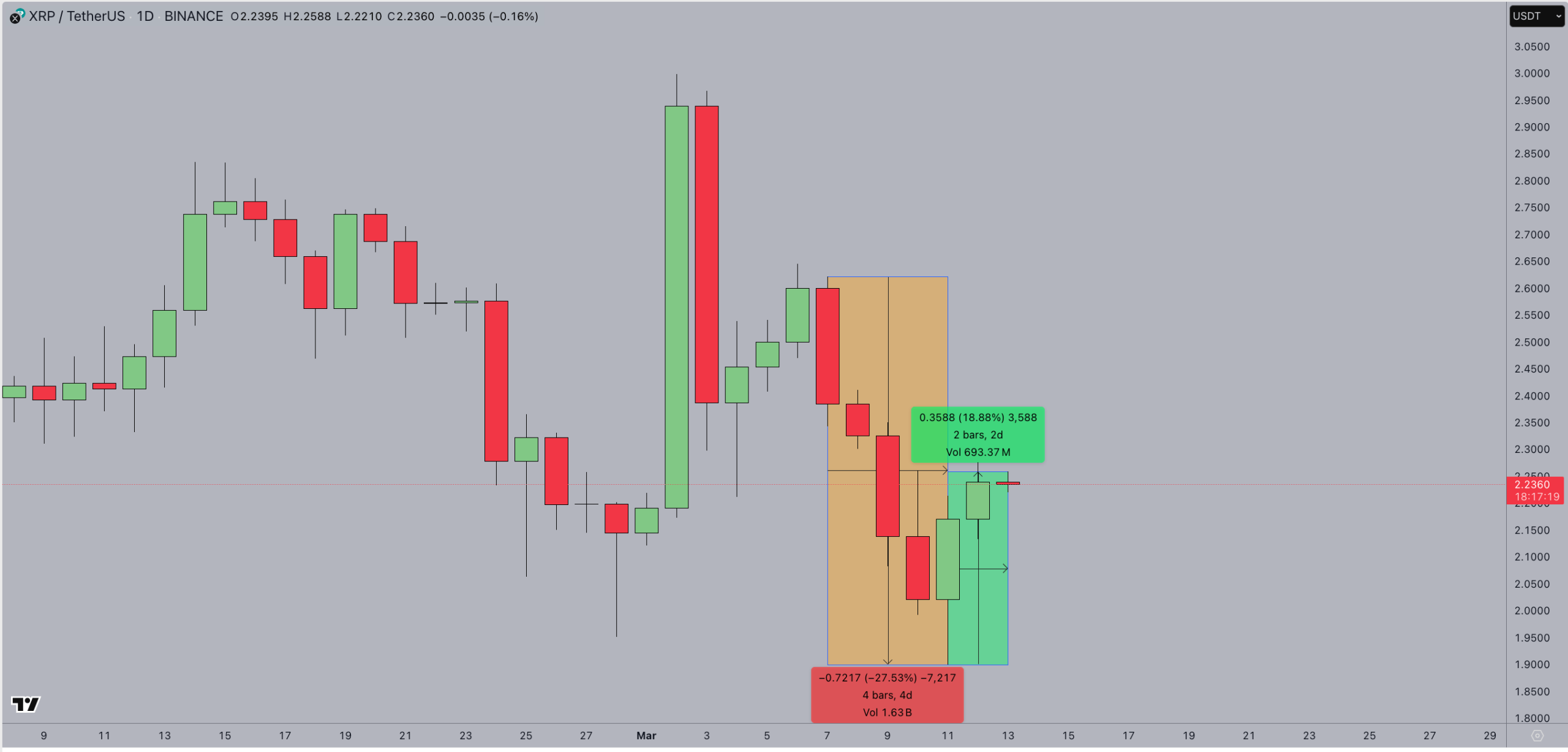
Altcoins: Solana (SOL) surged 8% to $134, benefiting from ETF anticipation and DeFi growth. Other altcoins, like XRP, saw gains up to 27% amid pro-crypto sentiment.
However, volatility persists, with $355 million in futures liquidations (mostly short positions) indicating rapid market shifts.
Challenges and Risks
Despite the rebound, risks remain:
-
Inflation Concerns: Powell noted stubborn inflation, potentially exacerbated by Trump’s tariffs, which could delay rate cuts and pressure crypto prices.
-
Economic Uncertainty: Fed projections show GDP growth slowing to 1.7% in 2025, with unemployment rising to 4.3%, signaling caution.
-
Hawkish Risks: Fed member Raphael Bostic’s June 2025 comments suggested only one rate cut, potentially tightening liquidity and dampening crypto gains.
-
Market Corrections: Some analysts warn of a “sell the news” event if anticipated cuts are priced in, as seen in 2023 when BTC dipped after a pause.
Posts on X highlighted mixed sentiment, with some users bullish on BTC’s recovery and others cautious due to tariff-related volatility.
Strategies for Investors
To navigate the rebound and its risks, consider these steps:
-
Use Dollar-Cost Averaging (DCA): Invest fixed amounts regularly (e.g., $100 weekly in BTC or ETH) to mitigate volatility. This strategy proved effective during BTC’s 2022–2024 recovery from $15,500 to $80,000.
-
Secure Assets: Store crypto in hardware wallets (e.g., Ledger Nano X) for large holdings, with seed phrases backed up offline. Use 2FA for exchange accounts.
-
Diversify: Allocate across BTC, ETH, and promising altcoins (e.g., Solana) to balance risk and reward.
-
Monitor Fed Signals: Follow Powell’s speeches and FOMC projections for rate cut clues. Tools like CME’s FedWatch can gauge market expectations.
-
Stay Informed: Track crypto news via Cointelegraph, CoinGecko, or X communities, but verify claims independently to avoid scams.
-
Manage Risk: Set stop-loss orders to limit losses during volatile periods, especially with tariff uncertainties looming.
The Crypto Landscape in 2025
As of August 3, 2025, the crypto market is buoyed by institutional adoption (e.g., BTC ETFs), DeFi growth, and global liquidity trends.
The Fed’s rate pause, combined with the 2024 BTC halving, has fueled optimism, but inflation, tariffs, and economic slowdown pose risks.
The market’s $2.91 trillion capitalization reflects resilience, yet volatility remains a hallmark, as seen in $675 million liquidations post-December 2024.